Mold-Resistant Construction in Austin, TX
Mold-resistant construction is not an upgrade package. It's how Enso builds: cement board where water lives, membranes behind every tiled surface, and moist air that actually leaves the house.
Why Austin homes need mold-resistant construction
Mold is not bad luck. It's chemistry – organic material, still air, and humidity above 60% for long enough. Austin supplies that third ingredient generously.

Sustained levels above 60% are enough for mold to establish in building materials.
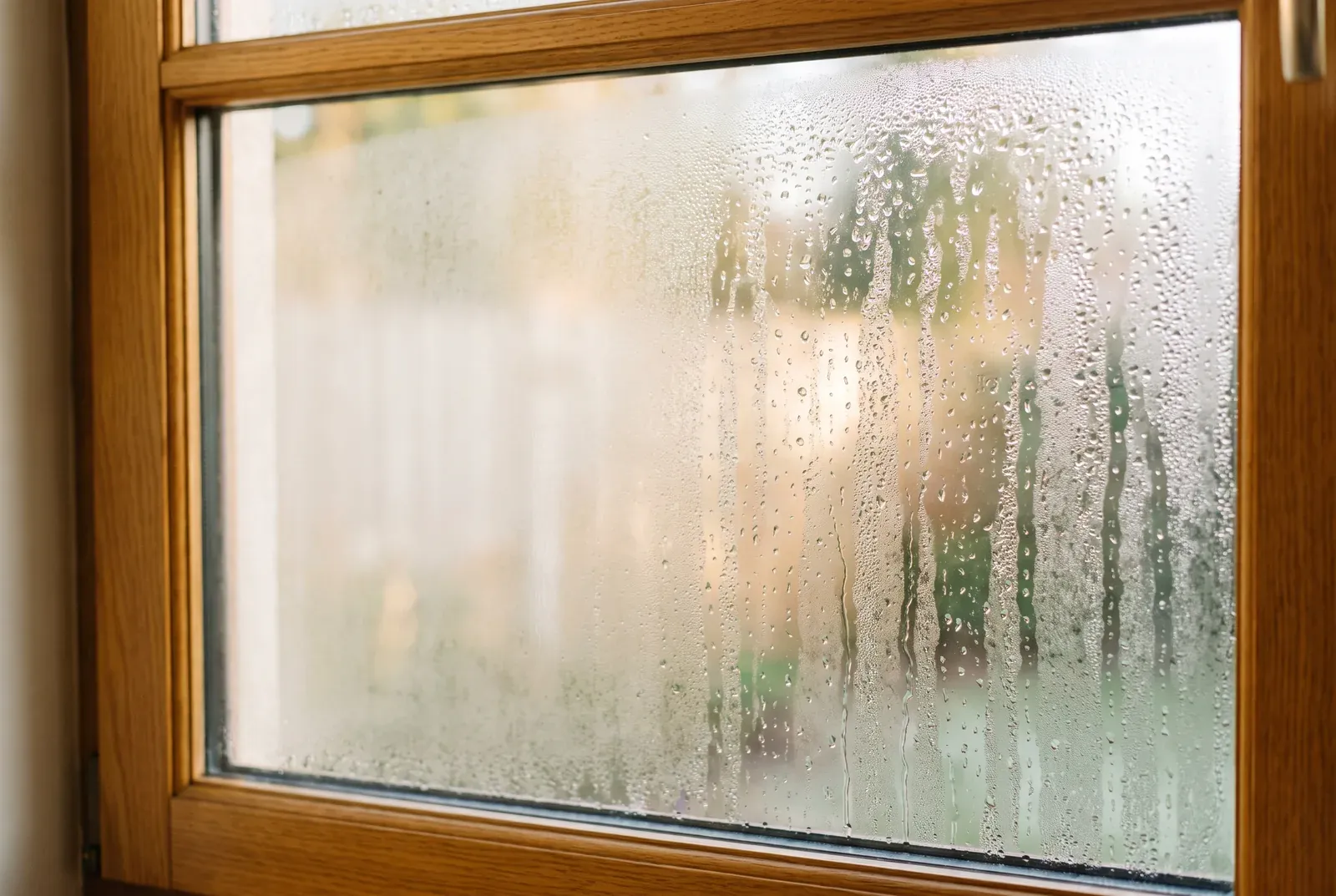
Warm, humid air meeting cooled surfaces inside the assembly is where condensation risk lives.
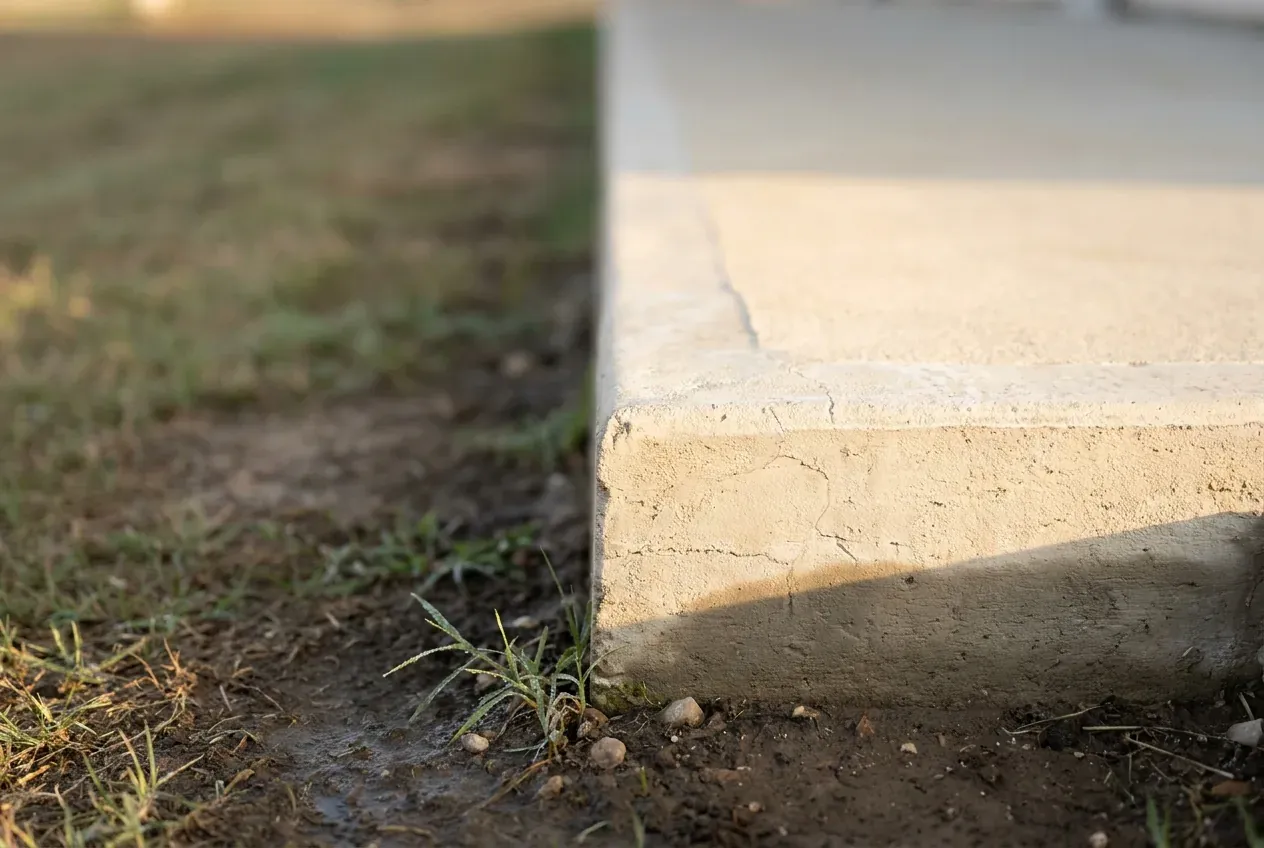
Slab-on-grade wicks ground moisture up. Pier-and-beam breathes crawl-space air into the assembly.
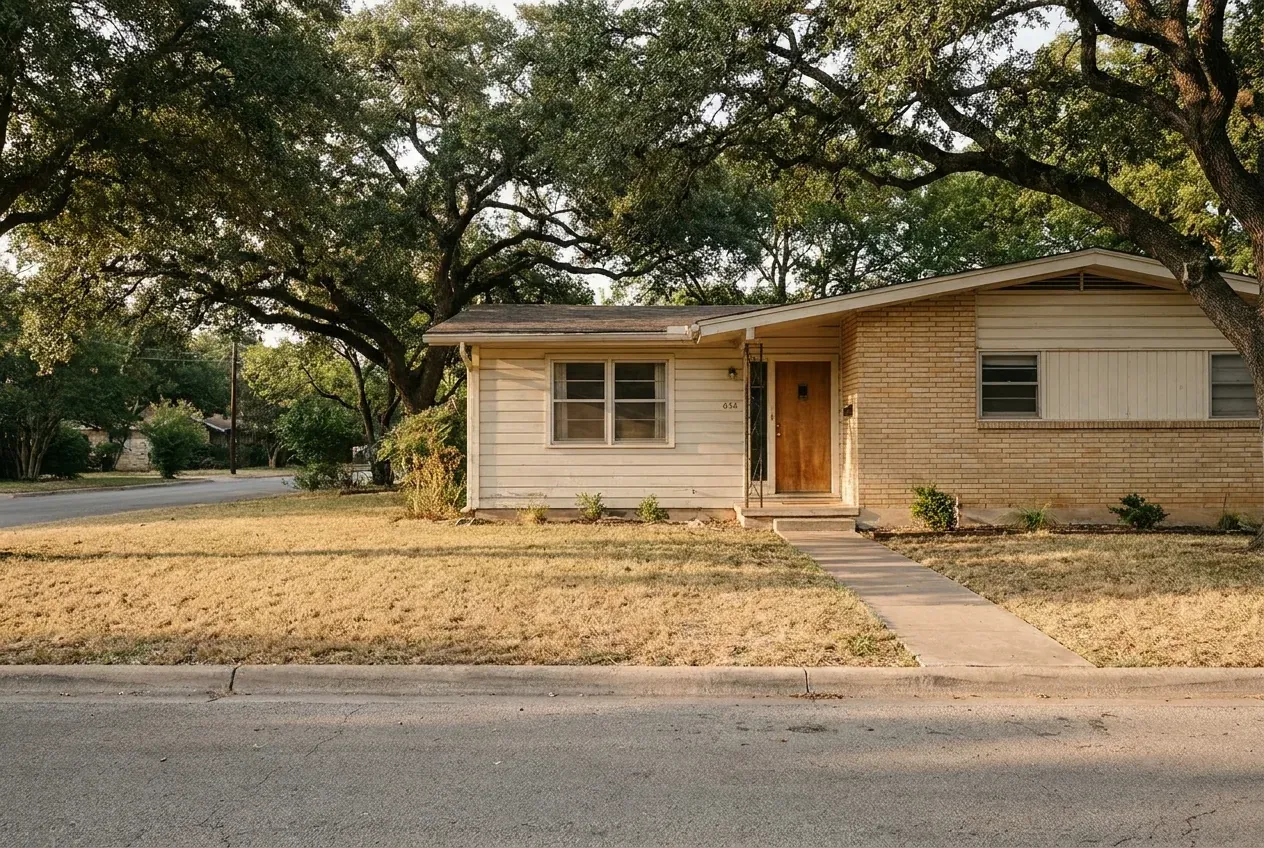
Most of Hyde Park, Tarrytown, and Clarksville predates modern moisture management.
Three protection zones. Six practices.
Organized by the zone they protect. Each one is visible for about a week of your project, then works invisibly for decades.
Wet Area Defense
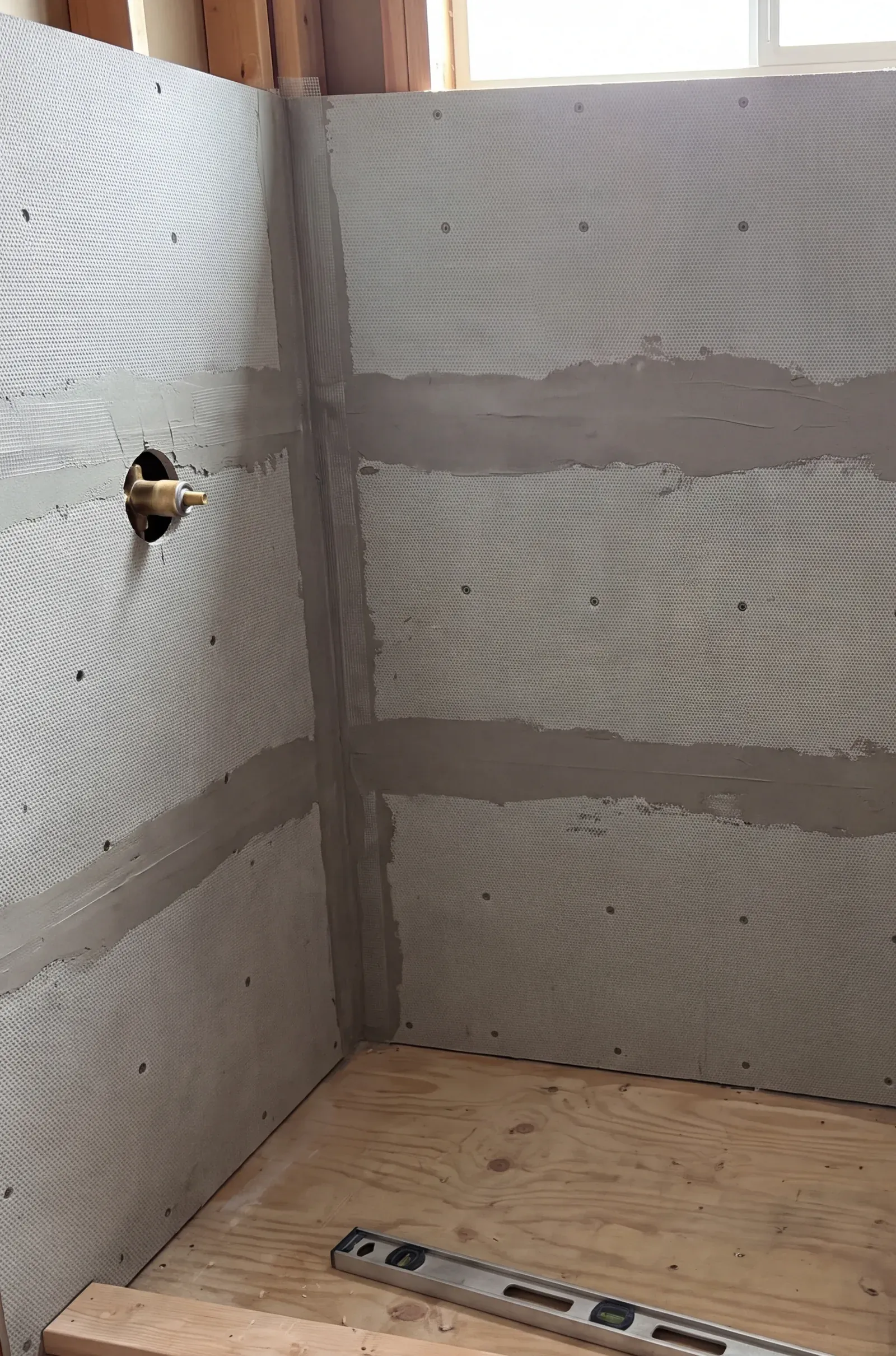
Cement Board & Mold-Resistant Substrates
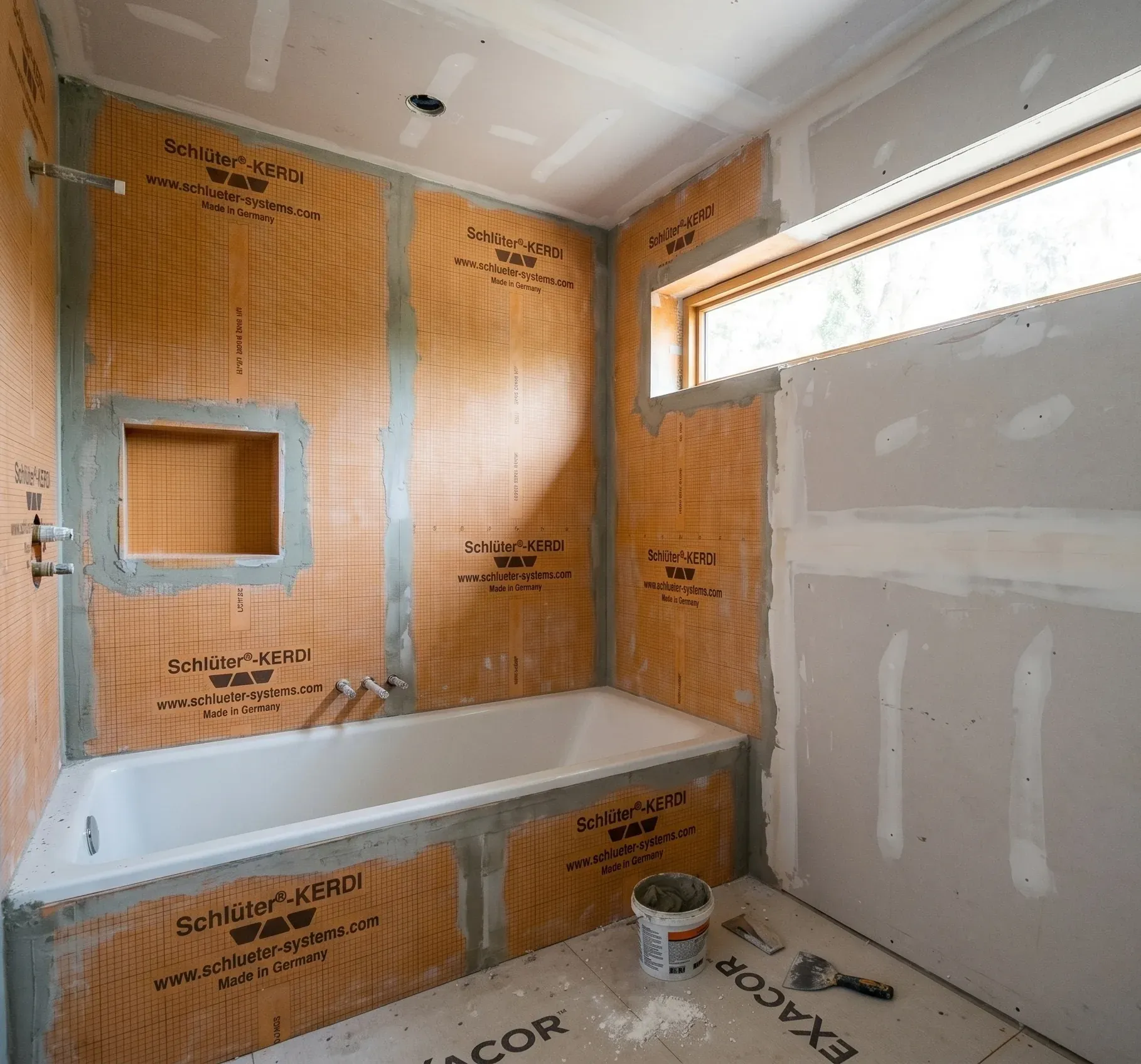
Standard drywall has no place behind tile, and neither does greenboard. In wet areas, Enso installs cement board or fiber cement backer: substrates that don't absorb water, don't feed mold, and don't degrade through thousands of wet-dry cycles.
Waterproofing Membranes
Tile and grout shed water; they don't stop it. Before tile is set, a continuous membrane, Schluter Kerdi or RedGard, goes over the substrate with sealed seams, reinforced corners, and particular attention at the floor-to-wall transition.
Wall Assembly Management
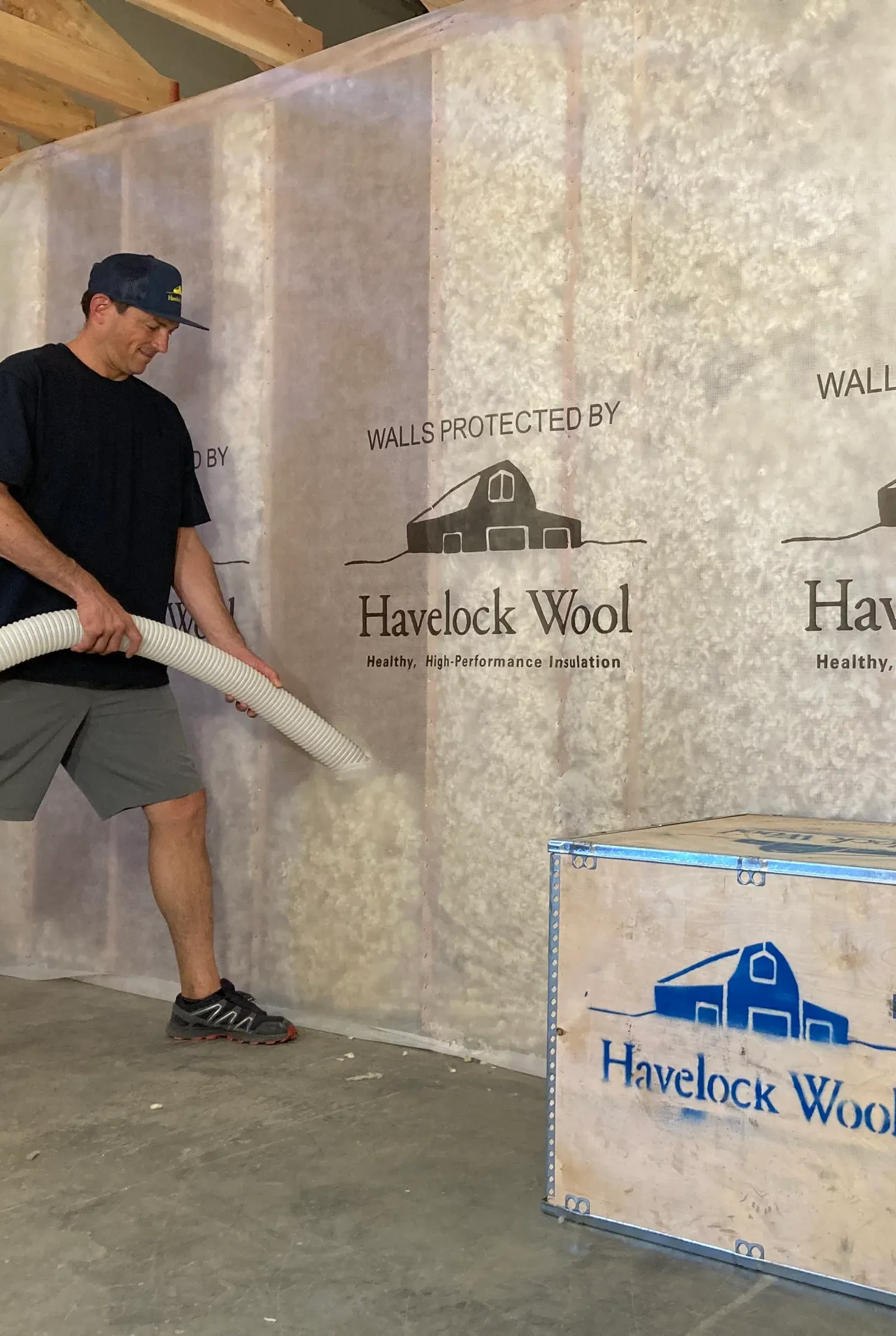
Wool Insulation
Fiberglass holds condensation against framing. Wool absorbs vapor when humidity spikes and releases it as the cavity dries, keeping the assembly below the threshold where mold takes hold. Specified during design for clients who want it.
Ventilation Design
A bathroom fan only works if it's sized to the room's volume and ducted, rigid and short, to the outside. Venting into the attic just relocates moisture to a space with no drainage. We calculate the load, spec the fan, and duct it out.
Envelope & Site Protection
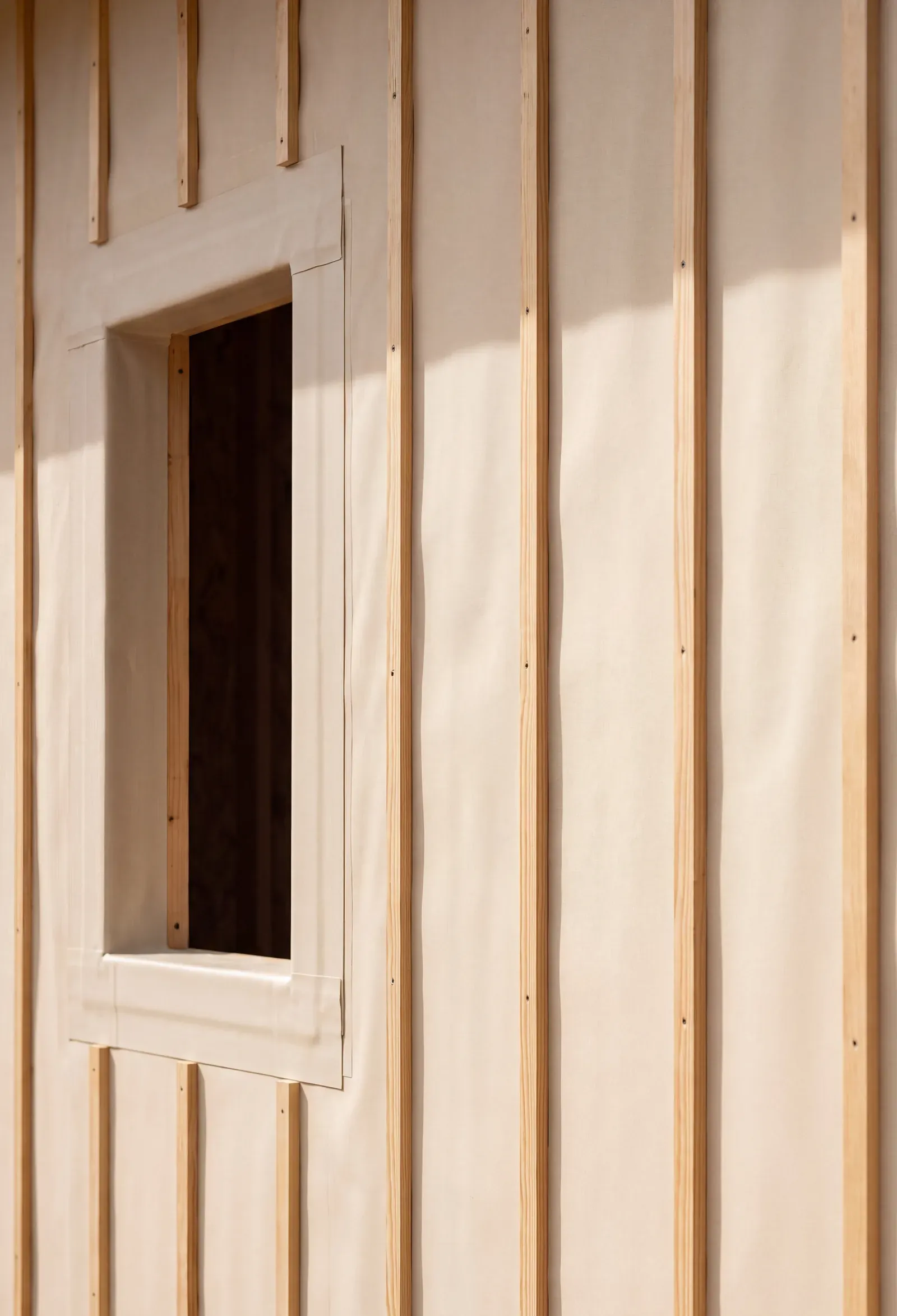
Drainage Plane Details
When a project opens exterior walls, the drainage plane gets rebuilt correctly: building wrap, flashing tape at every window and penetration, and layers lapped so water that finds its way in drains out.
HEPA Job Site Containment
Demolition in older Austin homes can disturb whatever the walls have been holding. Every Enso project runs a sealed dust barrier between the work zone and the rest of the home, with HEPA filtration, from day one.
Ready to walk through your project?
Projects built this way
 Clarksville
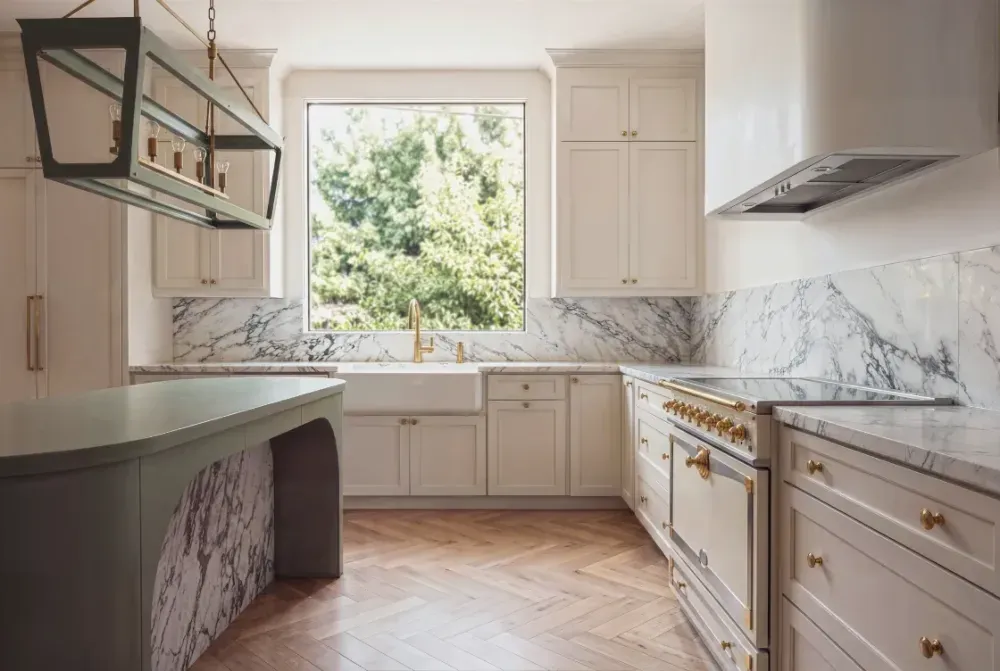
Kitchen and Bathrooms in French Country Style
A 2000s remodel had left the house livable but generic. With the owners on the East Coast, we reworked the kitchen and bathrooms with a relaxed euro-twist. Concealed mold surfaced along the way – it left healthy.
Dormer Addition with a Non-Toxic Master Suite
Repeat clients with a failing master bath, dreams of a walk-in closet for her, and an office for him. A second-story dormer expanded the upstairs to hold everything, in non-toxic materials throughout.
 Oak Hill